
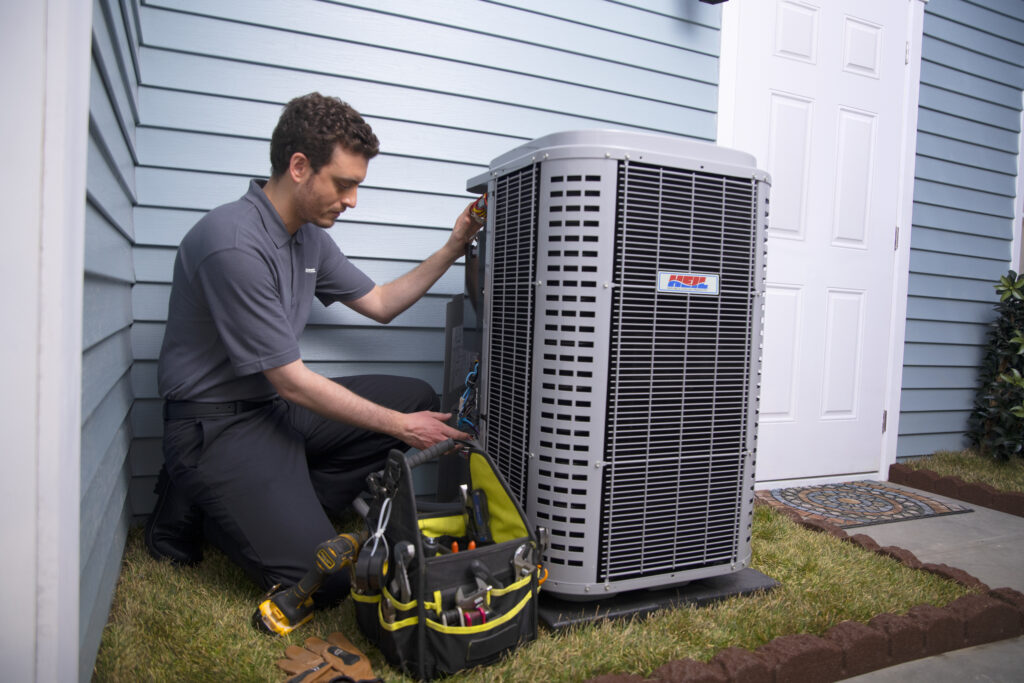
Replacing or upgrading your air conditioning system can significantly impact both your comfort and energy efficiency. With continuously rising temperatures and fluctuating energy costs, knowing the right timing for an air conditioner replacement is crucial. This guide provides insights into various factors that affect AC replacement costs and methods for improving energy efficiency. Readers will learn about signs indicating when an AC replacement is needed, financing options that make upgrades more affordable, and energy-efficient air conditioners available in today’s market. Furthermore, the article discusses the installation process and essential maintenance practices to ensure longevity in your new air conditioning unit.
When is the Best Time to Replace Your Air Conditioner?
Knowing when to replace your air conditioner is essential to maintain home comfort and efficiency. Various signs, including age, performance, and frequency of repairs, can serve as indicators that it is time for a replacement. Seasonal changes can also impact AC performance, influencing the best time for an upgrade.
What Are the Key Signs You Need an AC Replacement?
Several signs can indicate the need for an air conditioner replacement:
- Age of the Unit: Most air conditioning units last around 12-15 years. If your system is approaching this age, it’s wise to start planning for a replacement.
- Frequent Repairs: If you’re calling for repairs multiple times each season, it may be more cost-effective to invest in a new unit.
- Poor Performance: Inadequate cooling, unusual noises, or increased energy bills often signal that your AC is no longer functioning efficiently and may need replacement.
How Does the Lifespan of AC Units Influence Replacement Timing?
Understanding the average lifespan of air conditioning units can guide replacement timing decisions. Generally, most air conditioning systems last between 12 to 15 years, depending on usage and maintenance. If you notice that your unit requires major repairs that exceed 50% of the cost of a new system, it may be time to consider a replacement. Furthermore, adjustments in climate can also affect the longevity of your system, making regular evaluations necessary to avoid breakdowns.
What Factors Influence Air Conditioner Replacement Costs?
A variety of factors contribute to the cost of replacing an air conditioner, including installation fees, regional pricing variations, and the type of AC selected. Understanding these costs can help homeowners budget effectively for a replacement.
How Do Installation Fees and Regional Variations Affect Total AC Replacement Cost?
Installation fees and regional pricing can greatly influence the overall cost of replacing an air conditioner. In some areas, local labor costs and material prices might be higher due to demand or regulations. For instance:
| Cost Factor | Description | Estimated Value |
|---|---|---|
| Labor Costs | Vary by region; some areas may charge as much as $150/hour. | $50 – $150/hour |
| Material Prices | Ductwork and specialized parts increase costs. | $500 – $2,000 |
| Permits & Inspections | Local regulations may require inspections that add to costs. | $100 – $500 |
By comparing these costs against your current system and anticipated long-term energy savings from newer models, you can make a more informed decision.
What Financing Options and Incentives Are Available for AC Upgrades?
When considering an air conditioner replacement, various financing options and incentives can ease the financial burden. Options available may include:
- Low-Interest Loans: Many homeowners may qualify for loans specifically designed for HVAC upgrades, which can make the upfront costs more manageable.
- Tax Credits: The federal government often provides tax incentives for approved energy-efficient upgrades, directly reducing the cost burden.
- Manufacturer Rebates: Some AC manufacturers offer seasonal rebates for purchasing energy-efficient models, helping to reduce overall expenses.
By exploring these options, you can alleviate the financial strain and potentially invest more in a higher-efficiency model.
Maximizing Value With Energy-Efficient AC Upgrades
Energy-efficient upgrades not only enhance comfort but can also lead to significant savings on energy bills. Many consumers are now looking for models that meet stringent energy efficiency standards, delivering optimal performance over time.
How Do SEER Ratings and Energy Efficiency Standards Guide Your Upgrade Choice?
The Seasonal Energy Efficiency Ratio () rating is critical when selecting a new air conditioning system. Units with higher SEER ratings provide greater efficiency, translating into lower operational costs. For example, an AC unit with a SEER rating of 16 may use approximately 12-15% less energy than one rated at 14, resulting in substantial savings over its lifecycle.
What Are the Latest Brand Comparisons and Technology Innovations in 2026?
In 2026, several brands lead the market in energy-efficient air conditioners:
- Brand A: Known for high-quality central AC units with SEER ratings exceeding 20.
- Brand B: Offers ductless systems that provide flexibility in energy management for multi-room cooling.
- Brand C: Innovates with smart technology that allows users to optimize settings remotely, achieving energy savings.
Each of these brands provides unique features designed to enhance efficiency and comfort, catering to different household needs.
What Does the Air Conditioner Installation Process Involve?
Installing a new air conditioning system is a detailed process that requires careful planning and execution. A successful installation ensures that the unit operates optimally and serves the home’s needs effectively.
Why Choose Licensed and Insured HVAC Professionals for AC Installation?
Selecting licensed and insured HVAC professionals is crucial for a safe and efficient installation. These experts have the necessary training and tools to install your AC unit safely and per local codes. Attempting to install a unit without professional help may lead to costly mistakes or fines.
What Are the Key Steps in a Safe and Efficient AC Unit Installation?
The installation typically involves several steps to ensure everything is properly set up:
- Initial Assessment: Professionals assess your home to determine the best system type and size.
- Removal of Old Unit: The old system is safely disconnected and removed.
- Installation of New System: The new AC unit is properly placed and connected to the necessary ductwork and electrical outlets.
- Final Testing: Technicians run tests to ensure the system operates correctly before leaving the job site.
These steps help guarantee that your new system delivers reliable performance.
How Should You Maintain Your Air Conditioner After Replacement?
Post-installation maintenance is critical for extending the life of your new air conditioning system. Implementing best practices can prevent breakdowns and improve efficiency throughout its service life.
What Maintenance Best Practices Help Extend Your New AC Unit’s Lifespan?
Maintaining your AC unit involves regular health checks and simple upkeep tasks:
- Regular Filter Changes: Change filters every 1-3 months to maintain airflow and system efficiency.
- Annual Inspections: Schedule annual professional check-ups to identify and address potential issues before they become significant.
- Clean Coils and Fins: Ensure that outdoor units have unobstructed airflow and clean coils, as debris can lead to reduced efficiency.
By incorporating these maintenance habits into your routine, you can significantly enhance your system’s longevity.
How Do Responsive HVAC Services Support Emergency Repairs and Routine Maintenance?
Understanding the role of responsive HVAC services can greatly benefit homeowners requiring routine maintenance or emergency repairs. A reputable service will offer:
- Availability: Quick response times for urgent repairs and ongoing maintenance plans for regular service.
- Quality Workmanship: Assurance that technicians are trained to handle various issues and perform repairs correctly.
- Customer Support: Continuous availability to answer questions or provide advice related to system performance and maintenance.
These services play a crucial role in keeping your system running effectively and can be a valuable resource for any homeowner.