
By Highland Heating and Cooling | Serving Noblesville, IN and the Greater Hamilton County Area
Spring in central Indiana is one of those seasons that can’t make up its mind. One week you’re running the heat, the next you’re reaching for the thermostat to cool things down. It’s also the perfect window — before the real heat sets in — to make sure your HVAC system is ready to handle everything summer throws at it.
The good news? A lot of spring HVAC maintenance is simple stuff any homeowner can knock out in an afternoon. A few other items are better left to a licensed technician. Either way, running through this checklist every spring is one of the smartest things you can do to protect your system, lower your energy bills, and avoid a breakdown on the hottest day of July.
At Highland Heating and Cooling, we put together this checklist for our Noblesville neighbors so you know exactly what to look for — and when to call us.
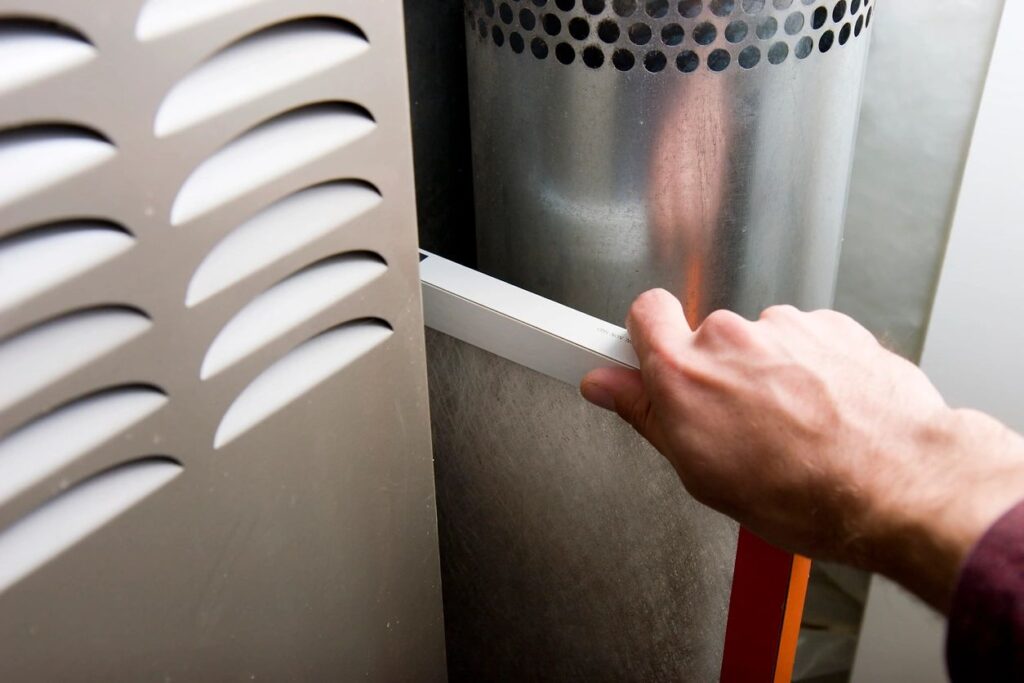
✅ 1. Replace Your Air Filter
This one’s first on the list because it’s the most important and the most overlooked. A clogged air filter restricts airflow, forces your system to work harder, drives up your energy bill, and can even cause your AC to freeze up or overheat.
If you haven’t changed your filter since last fall, change it now — before you start running the AC regularly. Standard 1-inch filters should be replaced every 1–3 months. Thicker media filters (4–5 inch) can often go 6–12 months, but check the manufacturer’s recommendation.
While you’re at it, make note of the filter size so you can keep a few spares on hand throughout the season.
✅ 2. Check and Clean Your Outdoor Condenser Unit
Your outdoor AC unit spent the winter sitting outside through freezing temperatures, wind, and debris. Before firing it up for the first time, give it a once-over.
- Remove any cover if you put one on for winter storage
- Clear away leaves, sticks, and debris that may have collected around or inside the unit
- Check for any visible damage to the fins or refrigerant lines
- Gently rinse the unit with a garden hose to remove dirt and grime from the fins — spray from the inside out if possible, and never use a pressure washer
Also make sure there’s at least 2 feet of clearance around the unit. Overgrown shrubs and plant growth from the previous season can restrict airflow and hurt efficiency.
✅ 3. Test Your Air Conditioner Before You Need It
Don’t wait for a 90-degree day to find out your AC isn’t working. On a mild spring day when temps are at least in the 60s, turn your system to cool, set the thermostat below the current room temperature, and let it run for 10–15 minutes.
Check for:
- Cool air coming from the vents — it should feel noticeably cold
- Consistent airflow from all registers throughout the house
- No unusual noises — banging, grinding, or squealing are red flags
- No strange odors — especially musty or burning smells
If something seems off, now is the time to call for service — before demand peaks and wait times get longer in June and July.
✅ 4. Inspect and Clean Your Vents and Registers
Walk through your home and check every supply and return vent. Make sure none are blocked by furniture, rugs, or curtains — even partially blocked vents can throw off your system’s airflow balance.
If your vents look dusty, wipe them down. If you notice visible dust or debris inside the ductwork when you remove a register cover, it may be worth considering a professional duct cleaning — especially if anyone in your home has allergies or asthma.
✅ 5. Check Your Thermostat
If you haven’t already, spring is a great time to upgrade to a programmable or smart thermostat if you’re still running a manual one. A smart thermostat can save you a noticeable amount on energy costs by automatically adjusting temperatures when you’re away or asleep.
If you already have a programmable thermostat, update your schedule for the new season. Switch it from heating to cooling mode and program your preferred temperatures for daytime, nighttime, and away hours.
Also check that the thermostat is reading the correct temperature and responding properly when you adjust the settings.
✅ 6. Check Your Condensate Drain Line
Your air conditioner removes humidity from the air as it runs, and that moisture drains out through a condensate drain line. Over time, algae and mold can build up and clog the line — causing water to back up, potentially damaging your system or your home.
You can do a basic maintenance flush yourself by pouring a cup of white vinegar or diluted bleach into the drain line access port (usually a PVC pipe near your indoor air handler). This helps keep things clear and flowing. If you notice water pooling around your indoor unit, the drain line may already be clogged and will need professional attention.
✅ 7. Inspect Your Insulation and Refrigerant Lines
The refrigerant lines running from your outdoor condenser to the indoor unit are wrapped in foam insulation. Take a look at this insulation and check for any sections that are cracked, fraying, or missing entirely. Damaged insulation reduces efficiency and can lead to bigger refrigerant issues down the road.
If the insulation looks worn, it can be replaced affordably — or flagged during your annual tune-up.
✅ 8. Schedule a Professional AC Tune-Up
Homeowner maintenance goes a long way, but it doesn’t replace what a trained HVAC technician can find and fix. An annual spring tune-up from Highland Heating and Cooling covers the things that aren’t visible or accessible without the right tools and training:
- Refrigerant level check — low refrigerant means there’s a leak that needs to be addressed
- Electrical component inspection — capacitors, contactors, and wiring
- Coil cleaning — both evaporator and condenser coils
- Blower motor and belt inspection
- Overall system performance check to catch small issues before they become big ones
Think of it the same way you think about an oil change — routine maintenance that keeps a much bigger investment running smoothly for years to come. And just like your car, skipping it year after year tends to catch up with you eventually.
Don’t Wait Until Summer to Think About Your AC
The best time to find out there’s a problem with your air conditioner is in the spring — when the weather is still manageable and HVAC companies aren’t booked out for weeks. By the time mid-July rolls around, everyone who put off their maintenance is calling at the same time, and wait times for service go up significantly.
Get ahead of it now. Run through this checklist, and if anything seems off — or if you just want the peace of mind that comes with a professional inspection — give Highland Heating and Cooling a call.
We proudly serve Noblesville, Westfield, Fishers, Carmel, Arcadia, Cicero, and the surrounding Hamilton County communities. Our team will make sure your system is ready to keep your family comfortable all summer long.
📞 Call us today to schedule your spring AC tune-up — spots fill up fast once the warm weather hits!